If you’re going through a difficult time or having suicidal thoughts, you’re not alone. 3114, the national suicide prevention hotline, is available 24 hours a day, 7 days a week, free of charge. In case of an emergency, call 15 or 112.
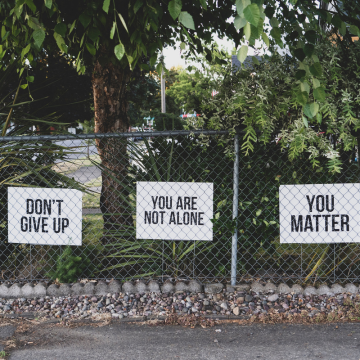
The question is twofold:
- Does suicide have an impact on the near-death experience?
- Can reading accounts of NDE experiences make someone want to commit suicide?
A first piece of good news
It concerns NDE experiences following a suicide attempt: the individuals felt no condemnation for this act. As one of them put it: “I was at peace with myself. I could only see myself and my life through the love of this Being. Neither this Being of Love nor I blamed what I had done in my life—not even my suicide attempt. That desperate act was transformed by the power of true Love. This grace, this total acceptance, this tenderness, and this infinite truth brought me immense joy.”
The second point is that most of these experimenters realized that their suicide was not, in fact, the solution to their problems. They knew their lives had meaning and were worth living, despite their difficulties.
Finally, during the life review, some people who had attempted suicide may have realized the suffering their suicide would cause their loved ones. Or they may have had a more negative NDE than others.
Second piece of good news: NDE’s do not encourage suicide
As soon as “Life after Life” was published in 1975, Raymond Moody wondered whether his book might encourage people to commit suicide. He feared that testimonies of a peaceful death and a happy, joyful afterlife would encourage people in difficulty to end their lives voluntarily.
However, no medical or epidemiological publication has reported an increase in suicides linked to the growing prevalence of accounts of NDE experiences. This is despite the fact that the book *Life After Life* alone has sold 13 million copies worldwide and has thus had a major impact. If such an increase had occurred, critics of NDE specialists would certainly have been quick to point it out.
Furthermore, knowing intellectually that most NDE’s describe a peaceful afterlife most likely does not make it any easier to actually take such a drastic and terrifying step as taking one’s own life. Committing suicide requires a level of distress, despair, and feelings of isolation that, fortunately, is quite rare[1].
Numerous accounts from people who have had a NDE following a suicide attempt show, on the contrary, a newfound zest for life after their NDE. They may also help reduce suicidal thoughts among their readers.
Furthermore, it appears that no one who has had an NDE has felt the urge to commit suicide in order to return to the happiness they experienced during their NDE. Even those who suffer from depression after their NDE do not view suicide as a possible solution.
The message from those who have had near-death experiences is that, while life after death is full of love and happiness, it begins to take shape right now. NDE can certainly help us feel more at peace with death. But first and foremost, they invite us to infuse our current life with as much love as possible to give it the greatest possible meaning and richness.
[1] The WHO estimates the annual suicide rate worldwide at around 10 per 100,000 people.
More on Raymond Moody: https: //fr.wikipedia.org/wiki/Raymond_Moody
On a related note, here is the article about Chris Batts’s NDE following his suicide attempt